A landscape of linen: materials, origin, and the idea of brand standards
Linen has long carried a reputation for breathability, temperature regulation, and a tactile sense of nature itself. When a brand establishes standards—across fiber origin, weaving, finishing, and care guidelines—it offers a navigable path for readers who seek comfort without compromising ethics or durability. The brands discussed here—Libeco, Coyuchi, and Sferra—each bring a distinctive lens to linen: one rooted in European mill tradition, another in a sustainable and transparent narrative, and the third in a heritage of luxury craftsmanship. Read together, they illuminate how care instructions can be an extension of fabric performance, not merely a label.
The core characteristics of linen matter: fiber length and stiffness, weave density, stone washing versus garment washing, and the presence of finishes or softeners. Each choice affects how a fabric feels at first touch, how it breathes in warm weather, how it ages, and how it should be laundered to preserve its integrity. Brand standards translate these technical decisions into practical guidance: when to machine wash, at what temperature, whether to tumble dry, and how to handle ironing or drying to minimize wrinkles without sacrificing texture.
As readers consider options, they should keep in mind climate, lifestyle, and sleep preferences. A Parisian apartment in summer, an Austin home with high humidity, or a Nordic bedroom facing long nights and dry air—these contexts influence what “quality” means in linen. Brand standards become a compass, helping to determine whether a fabric is best suited for layering in a decor scheme, or for a year-round, all-season performance. The following sections translate the brands’ approaches into actionable guidance for consumers seeking durability, texture, and responsible production.
Brand profiles: Libeco, Coyuchi, and Sferra
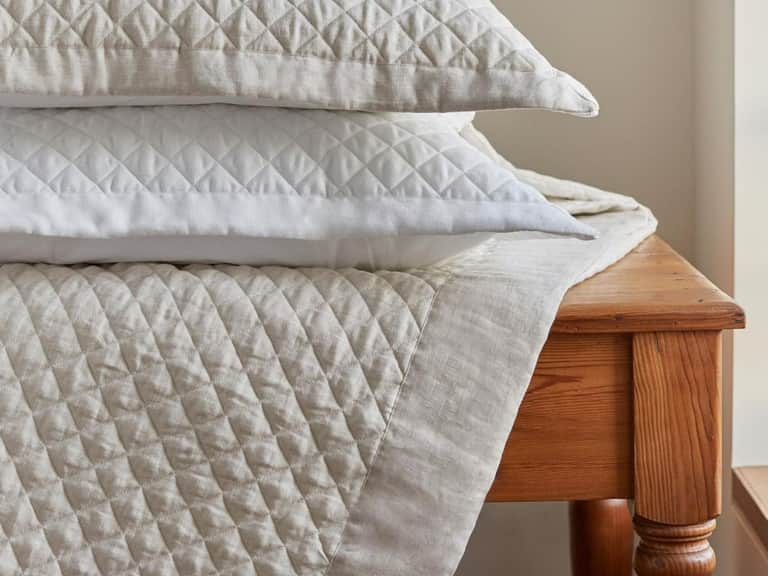
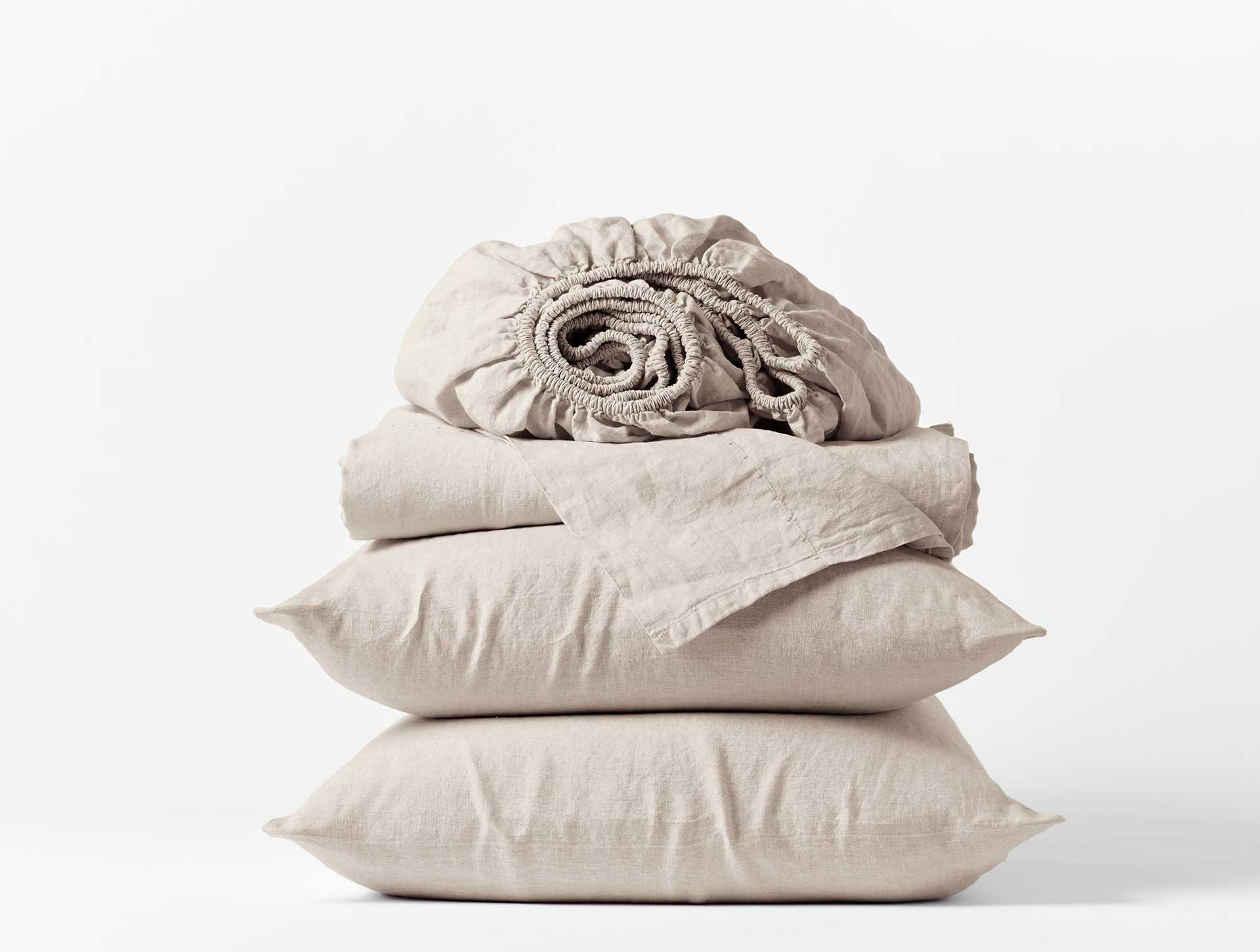
Libeco embodies a traditional Belgian mill lineage, with a focus on flax fiber durability and a reverence for the natural character of linen. Coyuchi positions itself as a steward of sustainable textile practice, emphasizing organic farming, transparency, and environmental responsibility. Sferra, with a long-running luxury heritage, blends meticulous craft with refined finishes and a broader luxury lifestyle narrative. Each brand presents linen not merely as a fabric, but as a story about how textiles connect people, places, and lasting comfort.
A practical way to interpret their differences is to look at three dimensions: weave and fiber origin, finishing and hand, and care guidance. Weave defines texture and drape; fiber origin influences environmental footprint and fiber performance; finishing shapes feel and longevity. When readers encounter care instructions, they encounter an implied philosophy: how to treat linen so that its performance endures over years of use and washing. This article draws on those dimensions to offer a framework that readers can apply when evaluating any linen purchase.
Care as a reflection of fabric behavior
Care instructions are often summarized as a sequence of do’s and don’ts, but in linen they reveal a deeper narrative. Linen’s fiber is robust yet naturally prone to creasing. A brand that encourages minimal ironing and garment-washed finishes invites the user to embrace the fabric’s relaxed hand as part of its character. Conversely, a brand that promotes a heat-intensive care routine for a high-tinish finish emphasizes a pristine, crisp look that may require more attention over time. Read through the brands’ guidance as a map of expectations: what the fabric is designed to do, and how best to help it do so across seasons and wear.
Consider the following cross-brand criteria when evaluating care guidance:
- Water and temperature guidance: cold or warm wash, any recommended pre-soak?
- Drying method: line dry, tumble dry, or air fluff, and recommended dryness level for longevity
- Ironing and finishing: heat settings, steam, or none, and the rationale related to weave and finish
- Detergent and additives: plant-based softeners, color-safe formulas, and what they imply for texture and dye retention
- Longevity signals: how care guidance ties to expected performance over time, including resistance to wrinkling, pilling, or color fading
By reading care guidance as part of a fabric’s architecture, readers can align their laundering routines with the linen’s natural tendencies, achieving lasting texture and comfort without compromising ethical considerations or the fabric’s integrity.