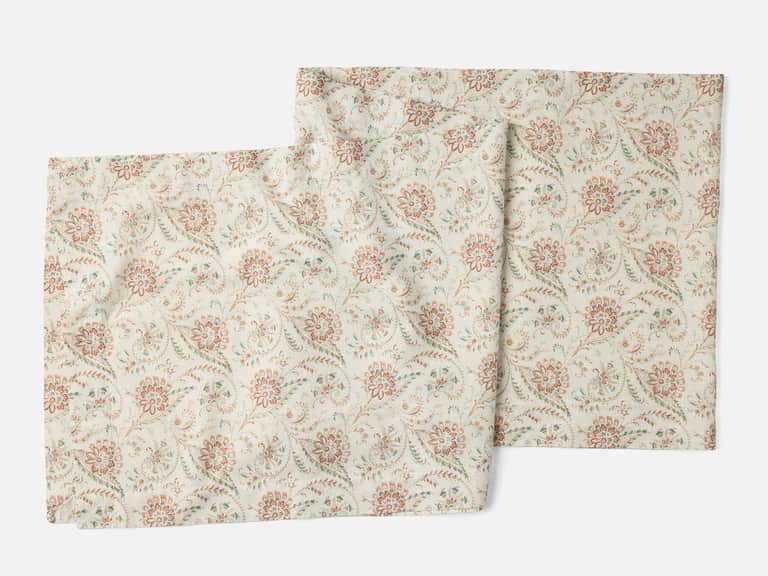
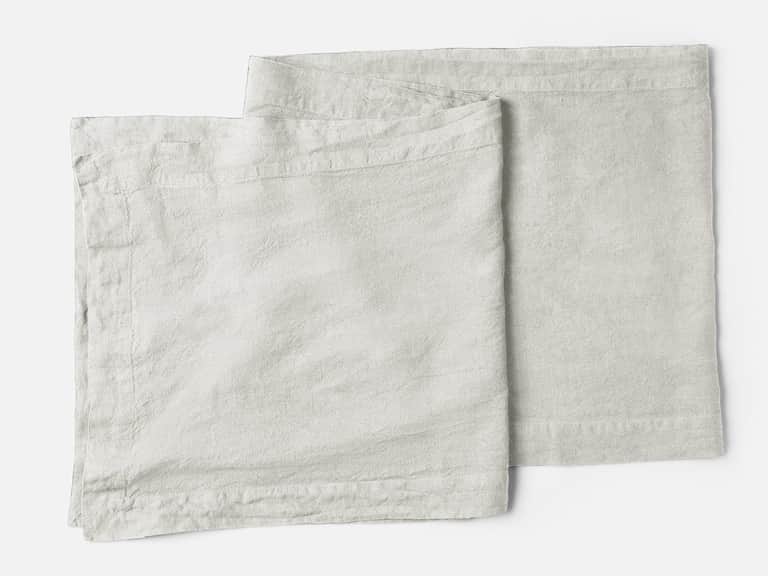
Runners in the context of interior textiles refer to long, narrow fabric pieces used as decorative accents or functional layers within a room setting. In this category, materials often emphasize durability, drape, and ease of maintenance, making them suitable for everyday use and seasonal refreshes. Key features typically include woven textures, colorfast dyes, and fabric blends that resist wrinkling and fading over time.
Understanding the practical benefits of table runners and decorative textiles helps clarify their role in room design. Runners can anchor a dining or console area, protect surfaces from spills, and introduce visual rhythm through repeating patterns or motifs. They combine practicality with artistic detail, enhancing ambiance without overwhelming existing decor.
Product examples such as the Pondicherry Table Runner highlight design versatility, offering intricate patterns or subtle textures that align with various color schemes. Features to note include width, length, edge finishing, and care instructions, all of which influence how the piece performs in daily use and how it complements other linens like bedding and decorative pillows.
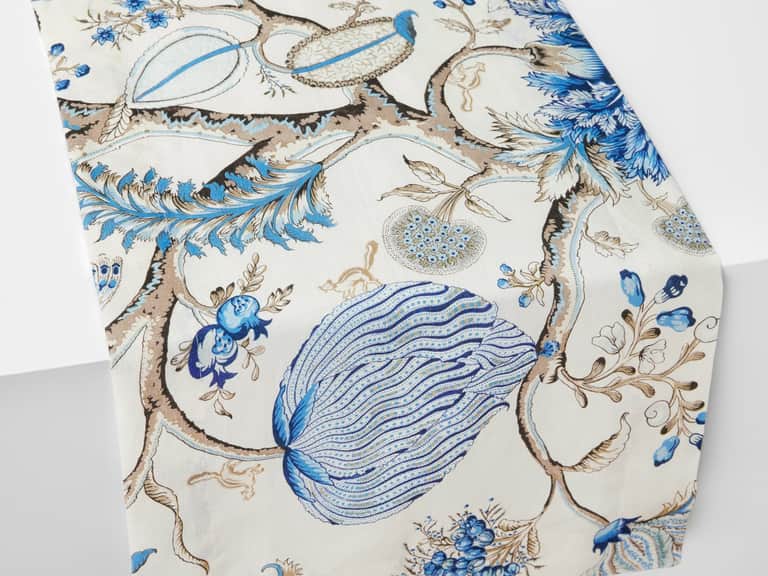
The Ponderosa Print Runner demonstrates how printed designs contribute personality while maintaining functional attributes. Functional benefits often encompass easy-care fabrics, machine washability, and dimensional stability after washing. When selecting a runner, consider fabric weight, weave, and how the print wears with frequent handling and seasonal redecorating cycles.
In educational terms, the role of runners extends beyond aesthetics to protection, temperature zoning, and focal emphasis within a room. Integrating these textiles with other bedding elements—such as sheets, pillow covers, and decor accents—supports cohesive styling. Related keywords such as bedding, sheets, decorative pillows, decor, and pillow cover reflect the broader textile ecosystem and usage considerations.
 Table
Table